Building Resilience: Staying Sharp When the Pressure (and the Heat) is On
![[HERO] Building Resilience: Staying Sharp When the Pressure (and the Heat) is On](https://cdn.marblism.com/QTUoqbLDE23.webp)
There’s a specific kind of quiet that happens right before the chaos hits. You know the one. It’s that early morning windshield time where the coffee is still hot, the van is still organized, and the sun is just starting to peek over the horizon. You look at your schedule and you see it: the stack of calls that shouldn’t be possible, the emergency repairs for customers who were already frustrated yesterday, and the humidity that’s already starting to climb.
In this industry, we talk a lot about the “grind.” We wear it like a badge of honor. But there’s a thin line between grinding it out and grinding yourself down to nothing.
Lately, I’ve been thinking about what actually keeps a man: or a woman: standing when the mercury hits 95 and the pressure from the office is even higher. It’s not just about “toughing it out.” I’ve seen some of the toughest guys I know crack under the right amount of static.
Real resilience? It’s a tool, just like a manifold gauge or a multimeter. And if you don’t know how to calibrate it, you’re going to get a false reading right when it matters most.
The View from the Counter
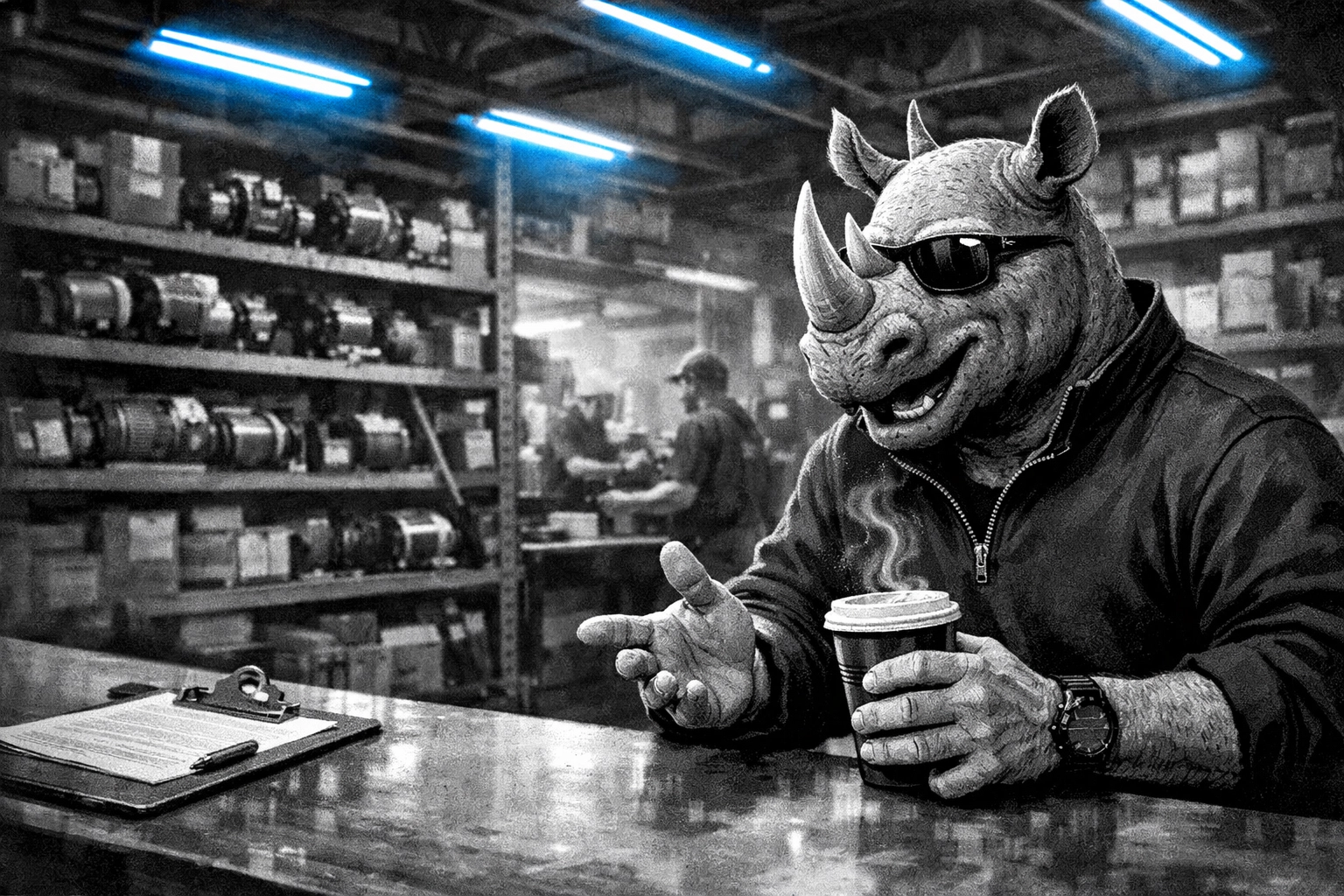
I remember grabbing a coffee at the supply house several years ago: standing right there at the counter, watching the world go by. It’s one of my favorite places to observe the heartbeat of this industry. You can tell a lot about a tech by how they carry themselves at 7:30 AM when things aren’t going their way.
There was a younger guy at the end of the counter, face red, hands shaking slightly as he scrolled through his phone. He was waiting on a circuit board that was stuck in transit. His customer was screaming, his boss was breathing down his neck, and you could practically see the steam coming off him. He was rigid. He was “toughing it out,” but he was also about two seconds away from blowing a gasket.
Then you had the seasoned vet next to him. Same situation: backordered parts, heavy schedule. But he was leaning against the counter, talking to the rep about a fishing trip, taking slow sips of his drink. He wasn’t indifferent; he was resilient. He knew that getting wound up wasn’t going to make the freight truck drive any faster.
Remembering all of that, it hit me. Resilience isn’t about being a stone wall that nothing can move. It’s about being like the ductwork we install: designed to handle the pressure without collapsing, but flexible enough to vibrate when the air starts moving.
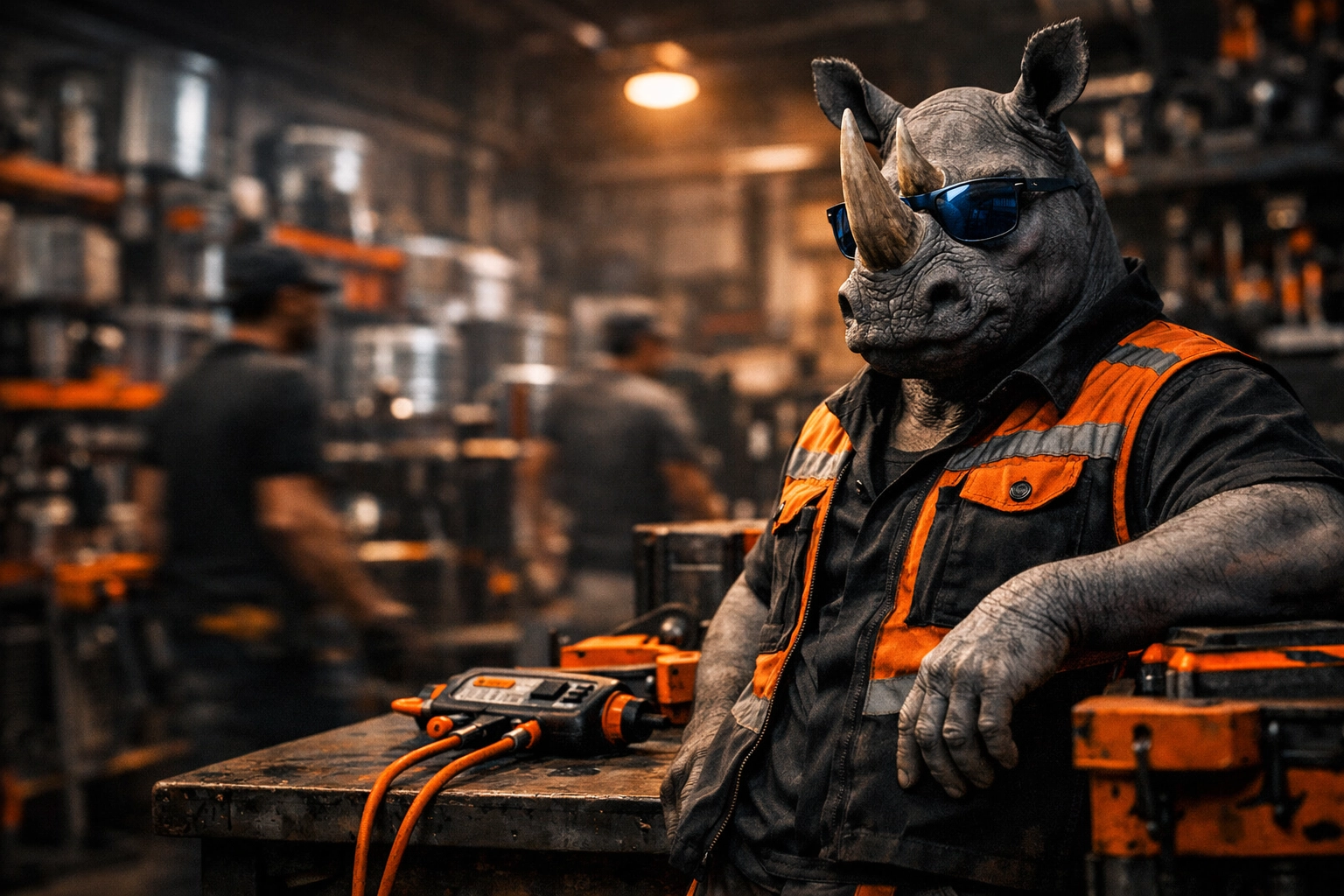
Calibrating the Internal Thermostat
When the pressure is on, your body goes into a natural fight-or-flight mode. Your heart rate climbs, your vision narrows, and you start making mistakes. In the field, a narrow vision leads to a missed leak or a miswired control.
I’ve learned over the years that you have to manage this from two directions: the bottom-up and the top-down.
The Bottom-Up Approach (The Body)
This is the physical stuff. When you feel that surge of frustration: maybe you just dropped a screw into a dark blower housing for the third time: stop. Just stop. Take a breath. A real one. Long exhales tell your nervous system that you aren’t actually being hunted by a tiger; you’re just working on an A/C unit.
I know, I know: “Rhydon, I don’t have time for breathing exercises.” Trust me, you don’t have time for the forty minutes you’ll spend searching for that screw because you were too rattled to move carefully. Step back, drink some water, and reset the physical baseline.
The Top-Down Approach (The Mind)
This is about how you talk to yourself. We all have that internal monologue, and usually, in the heat of July, mine is pretty colorful. But the language we use matters. When we use “pressurized” language: words like should, must, have to: we’re just adding more torque to an already tight bolt.
Instead of saying, “I have to get this finished or I’m a failure,” try, “Here’s the situation, let’s see what the next right move is.” It sounds small, but that shift from obligation to observation changes the game. It creates mental distance. You aren’t the problem; you’re the professional solving the problem.
The Industry Application: Contractor vs. Distributor
Resilience looks different depending on which side of the resource hub you’re standing on.
For the Contractor, resilience is about protecting your reputation. It’s easy to be a “great guy” when the weather is 72 degrees and the jobs are simple. Your true brand is built in the heat. When you’re exhausted and the customer is being difficult, how you respond determines your relationship equity. Staying sharp means knowing when you’re too cooked to make a safe decision and having the guts to say, “I need to step back and look at this fresh.”
For the Distributor, resilience is about being the steady hand. When the line is out the door and every contractor is stressed, the person behind the counter needs to be the anchor. You’re the one managing the expectations of fifty different businesses at once. If you let their stress become your stress, the whole system breaks down. Resilience here is about empathy without absorption. You hear them, you help them, but you don’t let their fire burn your house down.
Building Your Support Network
Nobody survives this industry as a lone wolf. Not for long, anyway.
One of the biggest keys to staying sharp is your relational network: your #TradeCrew. Resilience is a communal resource. It’s about having those people you can call when you’re at your wit’s end. Maybe it’s a fellow tech who’s been through it, or a rep who actually gives a damn.
I’ve found that the more positive interactions I have throughout the day: even just a quick joke at the counter or a check-in text to a buddy: the higher my “stress ceiling” becomes. We’re wired for connection. When you feel like you’re on an island, the heat feels ten degrees hotter.
That’s why we do what we do at HVAC R&D. Whether we’re hanging out at a road show in Raleigh or just grabbing a drink at a counter day, the goal is the same: building the community that keeps us all sane.
The Long Game
At the end of the day, resilience is about the long game. This isn’t a sprint. It’s a decades-long marathon through some of the toughest environments imaginable.
If you want to stay sharp, you have to realize that you are your most important piece of equipment. You wouldn’t run a vacuum pump without changing the oil, and you wouldn’t drive the van with a blown head gasket. So why do we expect ourselves to run at 100% capacity 24/7 without any maintenance?
Take the win where you can. Celebrate the hard-fought repair. Laugh at the absurdity of a job gone sideways. Use humor as a shield. I’ve seen guys get through some absolute nightmares just because they could find the one funny thing about the situation.
Pressure. Heat. Friction.
They can either turn you into dust, or they can forge you into something much stronger.
Next time you’re feeling the weight of that tool belt, remember: the heat is temporary, but the character you build by handling it well? That stays forever.
Stay sharp, stay grounded, and keep rambling.
In this industry, your reputation travels faster than any sales pitch ever will. Make sure it’s a reputation for being the one who didn’t crack when the heat turned up.
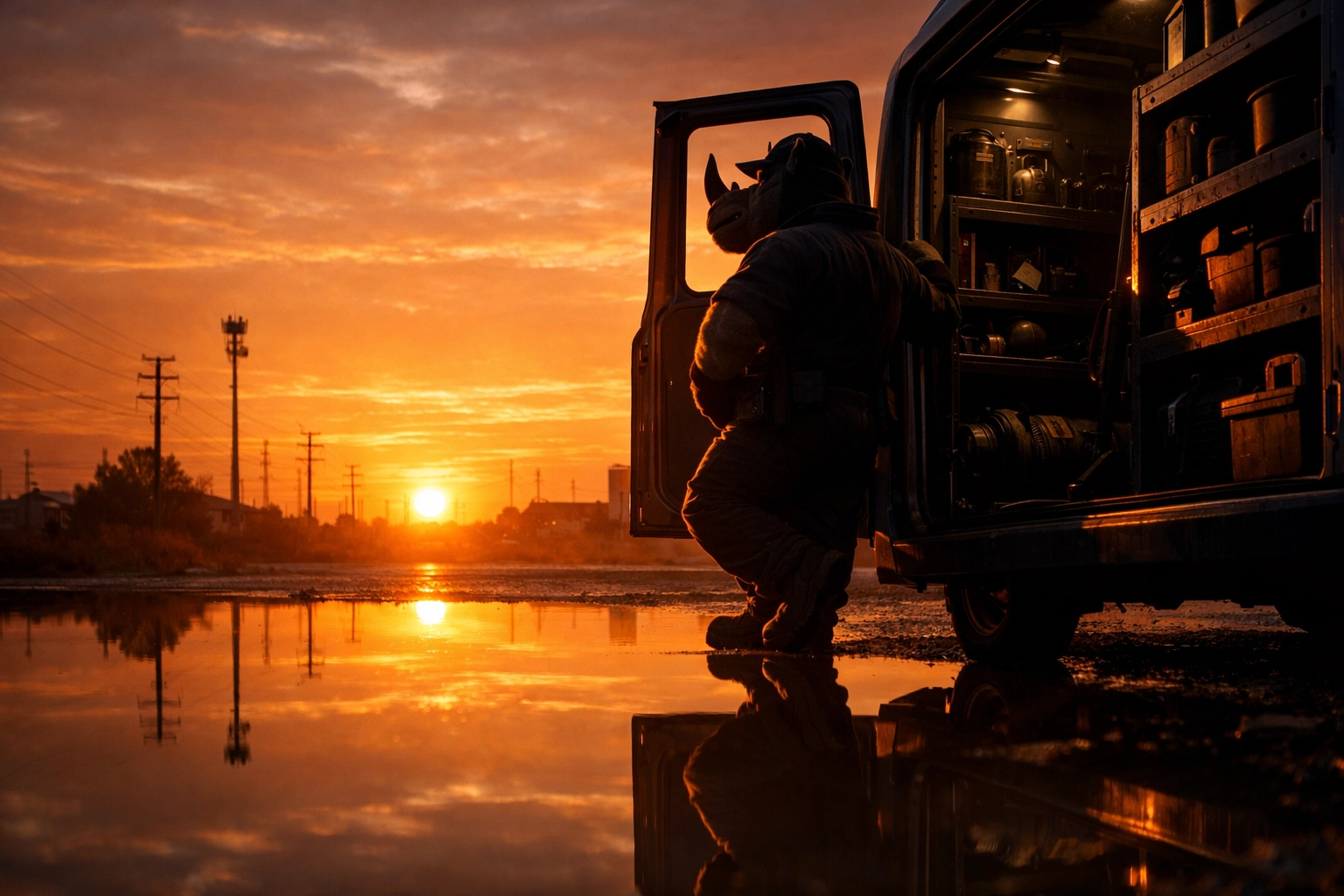
Ramblin’ Rhyno, out. Peace Y’all.
Quick Resource (If You’re Feeling the Pressure)
If you’re in one of those seasons where the heat feels nonstop: therapy can be another tool in the bag. HVAC R&D has a special offer with BetterHelp: get 10% off your first month using this link: http://betterhelp.com/hvacrnd.
Not a magic fix. Just a solid step when you’re trying to build real resilience during high-pressure times.
Want to keep the conversation going?
Check out our latest episode of the HVAC R&D Podcast or check out the resources in the HVAC R&D Resource Hub and remember that you’re part of something bigger.